Tag: Leadership
“Unsinkable” — The Titanic and the Psychology of Ignored Risk
1. The Birth of Overconfidence In 1909, when the Titanic’s keel was laid in Belfast, the world was entering a new industrial age. The ship was a symbol of invincibility — 882 feet long, 46,000 tons of steel, and equipped with cutting-edge safety features. But that belief in perfection was its undoing.Overconfidence is not a…
Stone by Stone, Dynasty by Dynasty — The Great Wall of China and the Art of Resource Management
1. The Wall as a Project, Not a Monument Contrary to popular myth, the Great Wall wasn’t built at once. It evolved across centuries — from the 7th century BCE through the Ming Dynasty in the 17th century CE.Every dynasty added, rebuilt, or extended parts of it — a long-running program of phased project delivery,…

The Flow of Excellence — How Roman Aqueducts Redefined Project Quality Management
1. Rome: The City That Engineered Its Future When the Roman Empire decided to build aqueducts, it wasn’t about vanity — it was about quality of life.Water meant sanitation, agriculture, and public health. By ensuring water reached every household, Rome made quality an expectation, not a privilege. Their quality philosophy was simple: “If it cannot…
The Pharaoh’s Ledger — How Ancient Egypt Perfected Project Cost Management
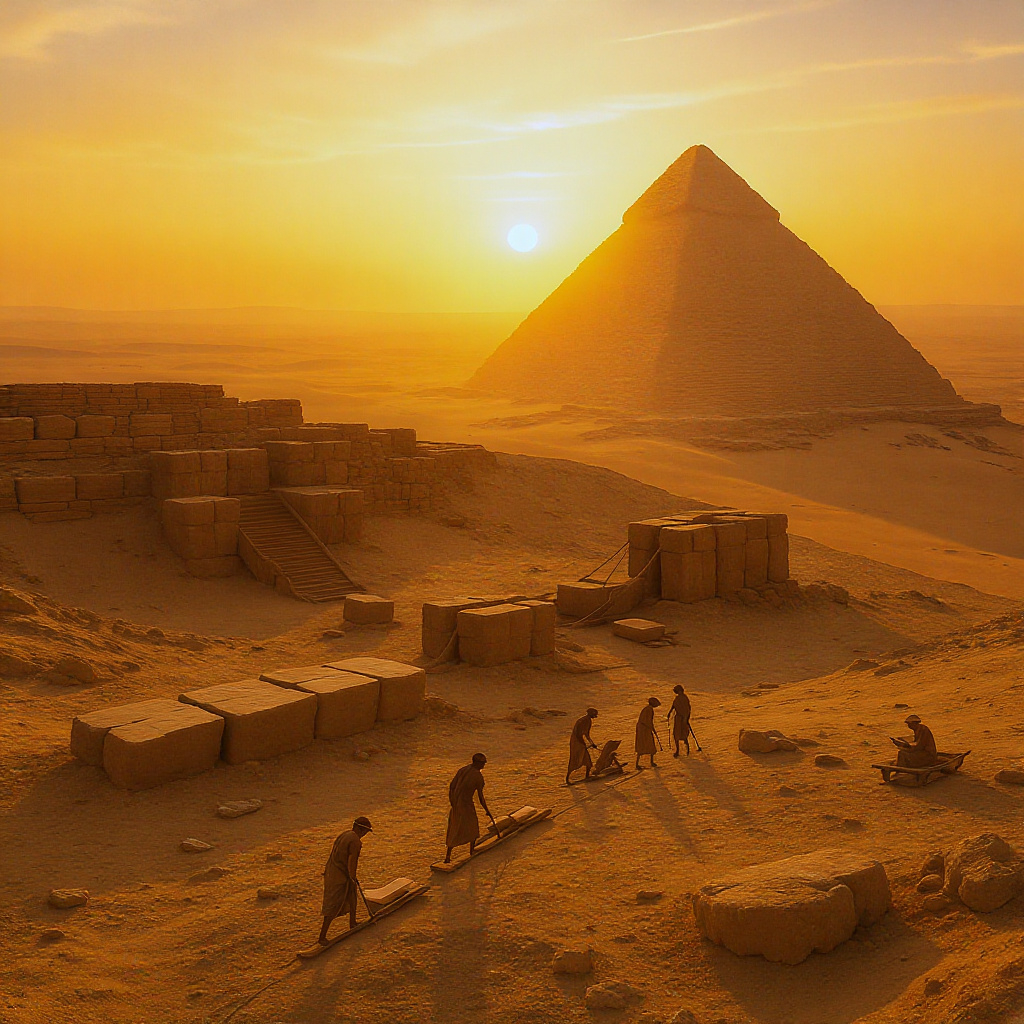
1. Setting the Stage: A Civilization Built on Projects Ancient Egypt was more than a kingdom — it was a perpetual construction site. Temples, tombs, canals, and cities rose from the desert, each demanding meticulous planning and disciplined execution.But none rivaled the scale or ambition of the Great Pyramid of Giza — 146 meters tall,…
The Library That Wanted to Contain the World — A Lesson in Scope Management from Ancient Alexandria
1. When Curiosity Became a Project More than 2,300 years ago, in the thriving Egyptian port city of Alexandria, a king named Ptolemy I Soter envisioned a structure that would immortalize knowledge itself.His dream? To build a library that would gather everything ever written — philosophy, mathematics, poetry, astronomy, medicine, even ship logs. It wasn’t…
🌍 The Canal That United Oceans and Stakeholders Alike – The Panama Canal and the Art of Project Stakeholder Management
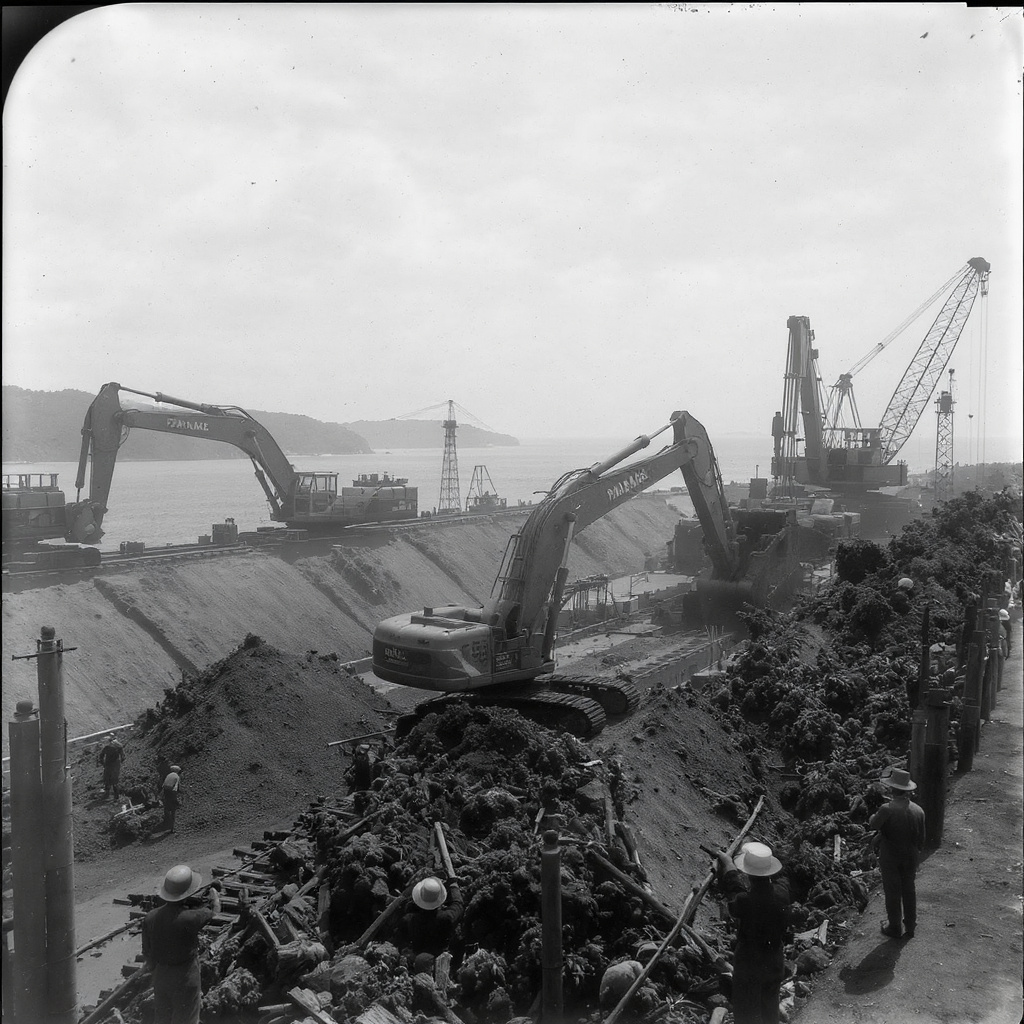
1. A Dream Too Big to Belong to One Nation In the late 19th century, connecting the Atlantic and Pacific wasn’t just an engineering dream — it was a geopolitical obsession.Every great power wanted control of that maritime shortcut. When the French began the project in 1880, optimism ran high. Ferdinand de Lesseps, the mastermind…
🚗 How Toyota Built Agile Before Agile Existed – Lessons from the Lean Revolution
1. The Context – Japan’s Postwar Crisis and Toyota’s Constraint In the late 1940s, Japan’s economy was shattered.Toyota, a small automaker compared to global giants like Ford, couldn’t compete in volume, scale, or capital. But instead of copying Detroit’s assembly-line model, Toyota flipped the script:If we can’t be the fastest or the largest, we’ll be…
💰 Digging Through Debt – Cost Lessons from the Panama Canal
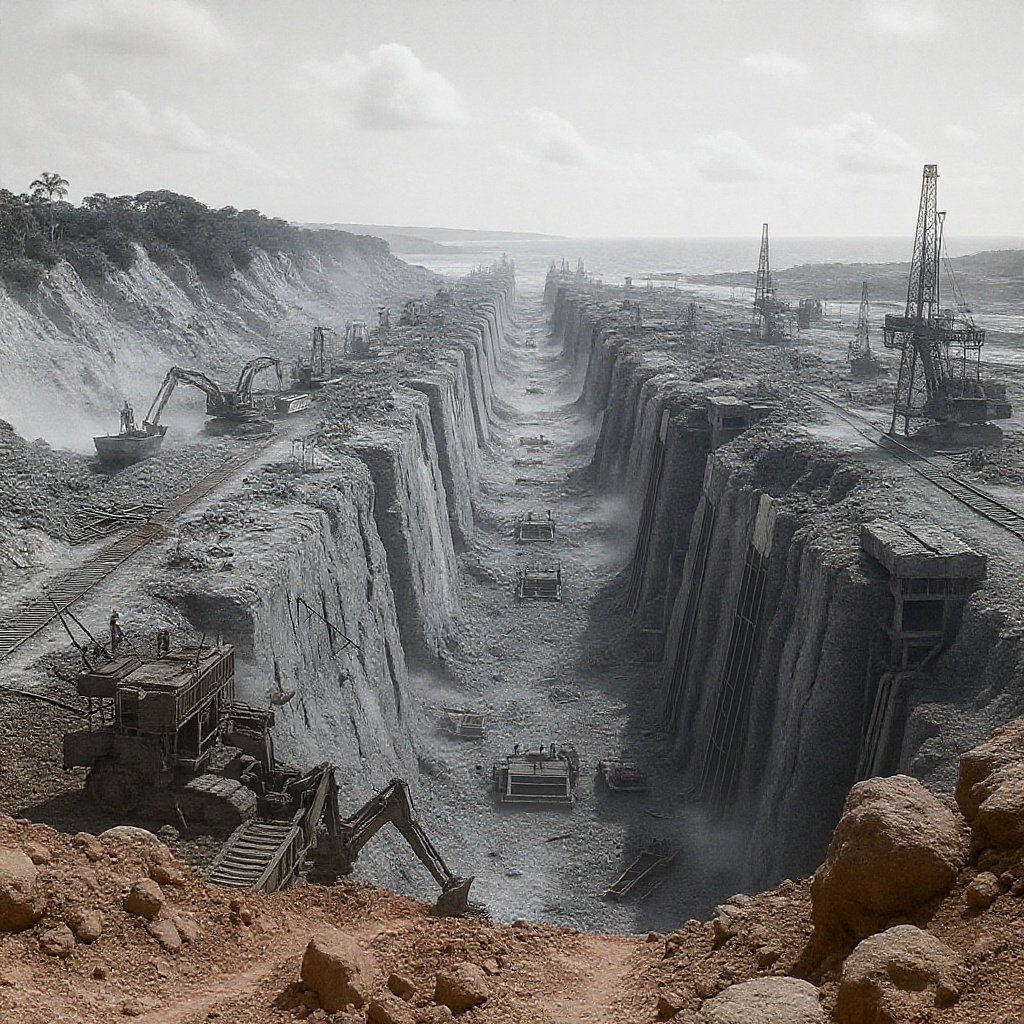
1. The Dream That Sank in Debt In the late 19th century, the world was obsessed with conquering geography. Connecting the Atlantic and Pacific Oceans through Central America promised global dominance — politically, commercially, and militarily. The French, led by Ferdinand de Lesseps, began construction in 1881. Flush with the success of the Suez Canal,…
The Scope Myth: Why “Perfect” Scope Definition Isn’t the Answer to Project Success
“In project management, rigid boundaries can sometimes confine innovation rather than enabling it.” 1. The Myth of Perfect Scope Definition In the world of project management, many believe that if every detail of a project scope is defined, scope creep is eliminated and success is guaranteed. This myth, however, can lead to overly rigid planning…
The Scheduling Myth That Could Ruin Your Project: Why Detailed Plans Don’t Guarantee On-Time Delivery
“No plan survives first contact with reality.” – Helmuth von Moltke 1. The Scheduling Myth: “A Detailed Schedule Guarantees On-Time Delivery” The project management world is rife with assumptions, and one of the most persistent is that a meticulously detailed schedule will ensure a project finishes on time. Many believe that mapping out every single…