
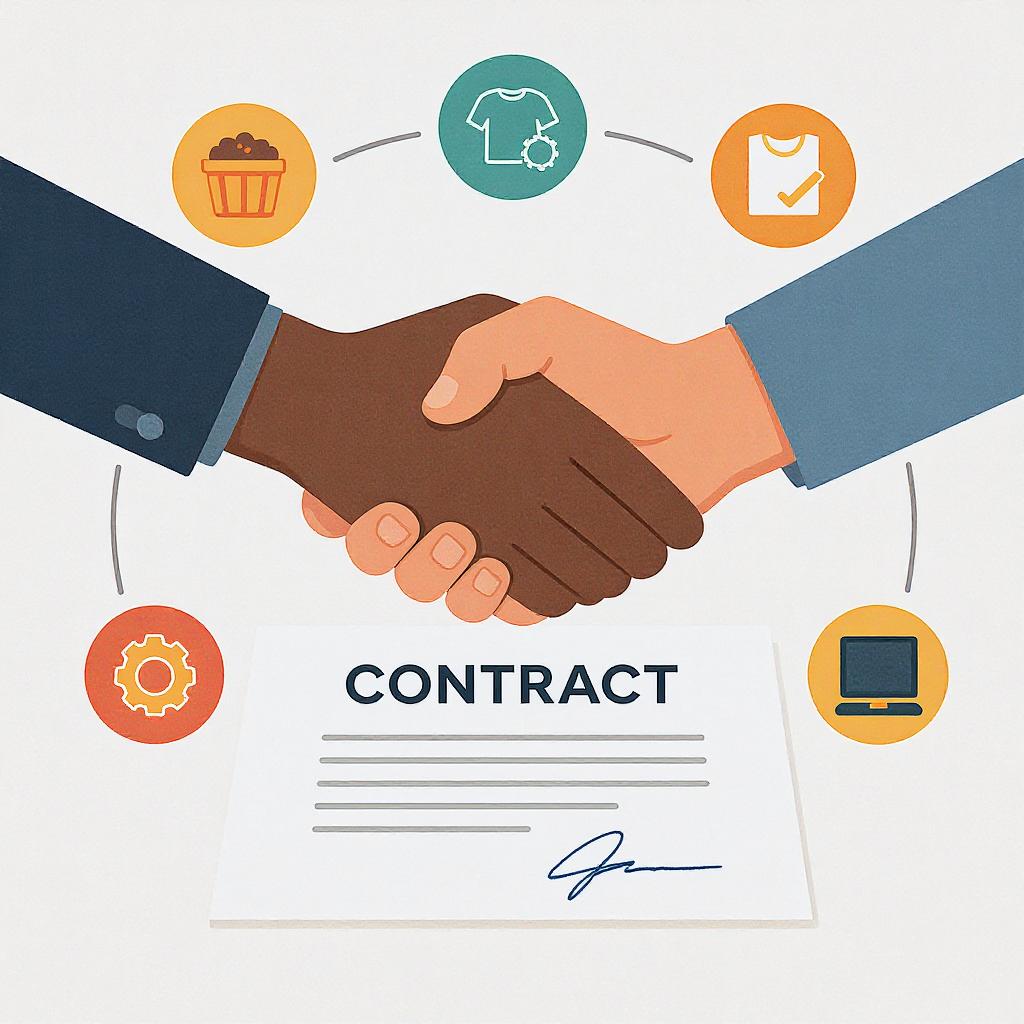
1. Why Procurement Deserves More Respect
Procurement isn’t just buying stuff; it’s risk management, value creation, and relationship building rolled into one. Projects increasingly depend on third parties for critical resources—missed deadlines, cost overruns, and quality issues almost always trace back to procurement missteps.
2. Core Steps to Smart Procurement
- Plan Procurement Early: Start in project kickoff—identify needs, potential suppliers, and constraints.
- Develop Clear Requirements: Vague specs = expensive surprises. Turn “what we think we want” into precise, testable needs.
- Robust Vendor Selection: Use clear criteria—cost, reputation, capability, flexibility.
- Negotiate Contracts Like a Pro: Focus on deliverables, SLAs, penalty/reward clauses, and clear escalation processes.
- Integrate Vendors into Your Workflow: Think onboarding, regular check-ins, shared dashboards.
- Monitor Performance actively, not just at milestones—use KPIs, scorecards, and informal touchpoints.
- Manage Change and Risks: Every good contract bakes in what-ifs and pivot plans.
- Close Out Cleanly: Verify all deliverables, document lessons, keep relationships positive.
3. Real-World Stories That Hit Home
A. “The One-Supplier Gamble That Almost Sank Us”
Needed a custom software module—picked the best-rated vendor. Halfway in, company announced a merger, delaying delivery. Disaster? No. We’d built in a backup vendor and used milestone-based payments. The transition was smooth, and we even kept the schedule!
B. “Turning Around a ‘Big-Name’ Vendor”
Signed with a global firm based on their logo, but quality dipped after contract was signed. Instead of escalating, we set up bi-weekly joint reviews, used a scorecard, and made process improvements a contract deliverable. Satisfaction—and output—soared.
C. “Contract Clauses That Saved a Project”
Construction project hit by supply chain disruptions. Because we’d included flexible scheduling, cost adjustment clauses, and fast escalation in contracts, we were able to switch suppliers rapidly, with minimal delay and clear communication to stakeholders.
4. Practical Tips and Pitfalls
- Never select suppliers on price alone—total value matters.
- Maintain a “preferred vendor” list from experience—not reputation.
- Document EVERYTHING: requirements, negotiations, delivery terms.
- Don’t wait for problems. Regular vendor check-ins—scorecard meetings work!
- Ensure clear knowledge transfer and obligations at project close-out.
Legal check: Always involve procurement/legal teams for major deals. Cutting corners on contracts is a shortcut to crisis.
5. Modern Procurement Tools & Trends
- Procurement management software (SAP Ariba, Oracle Procurement Cloud, Coupa)
- Live dashboards to track orders, risks, lead times in real-time
- Supplier performance analytics using data to proactively flag issues
- Automated RFP/RFQ processes for faster and more unbiased vendor selection
New trend: Collaborative procurement—where you and your supplier co-plan to optimize the entire value chain, not just a one-way transaction.
6. The Human Element
The best relationships with vendors are built through:
- Regular, respectful check-ins (beyond formal emails)
- Involving vendors early in requirements discussions
- Sharing your project’s broader goals—they may surprise you with new solutions!
- Recognizing and celebrating vendor milestones/successes
Remember: relationships outlast projects. Treat every procurement interaction as an investment in the future.
Closing Tips
- Bake in risk mitigation with contracts, not after issues appear
- Be vigilant—review KPIs and scorecards monthly
- Foster trust: transparency > tough negotiations
- Always debrief and document—in good times AND the tough ones
Procurement is where PMs move from firefighter to strategist. Make it your strength, not a gap.
Leave a Reply
You must be logged in to post a comment.