
INTRO: Why “On Budget” Is So Rare
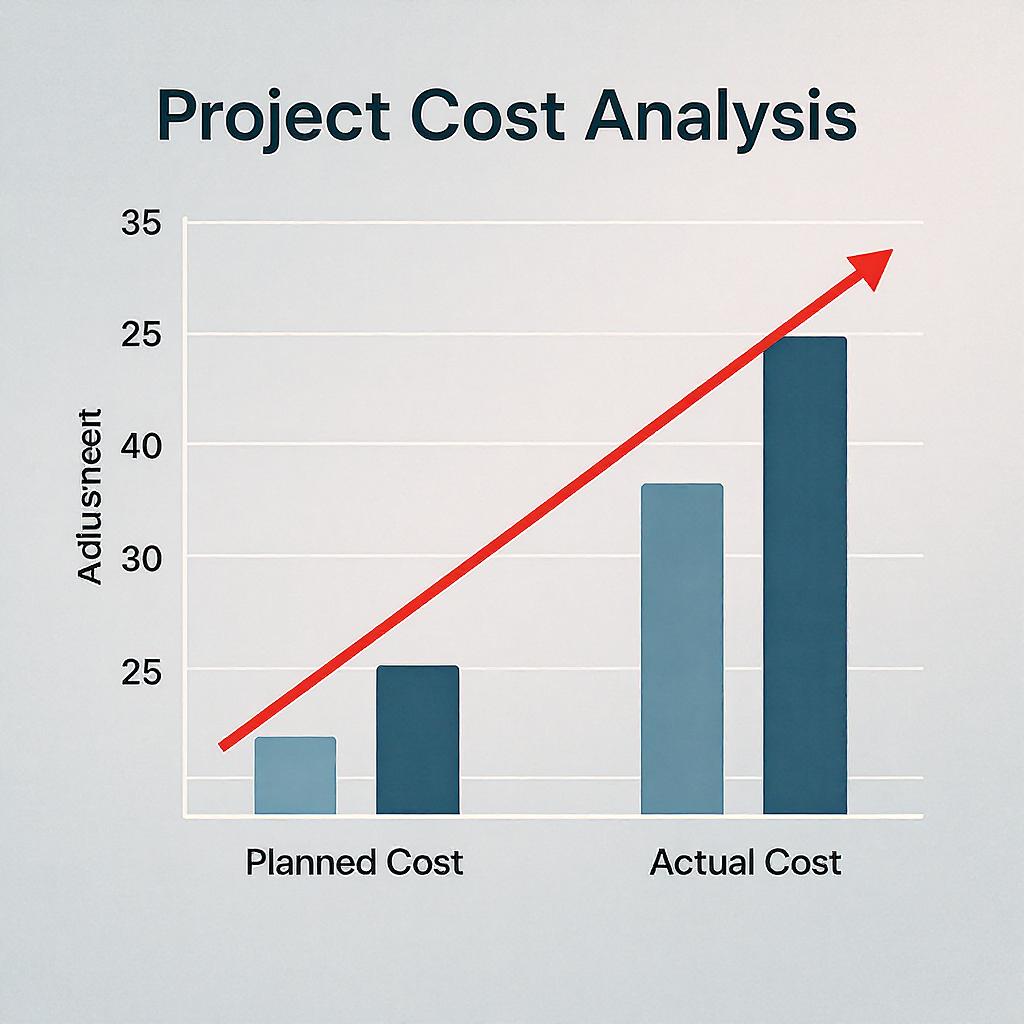
Let’s be honest—no manager wakes up planning to overspend. Yet, studies show that almost 70% of projects experience budget overruns. Why? Because cost management is a living process, not a one-time event.
I’ve rescued runaway budgets and built cost-positive teams. Here’s how you can too—with stories, frameworks, checklists, and hard-won advice.
1. The Anatomy of Project Cost Management
Project cost management isn’t just about pinching pennies. It’s about predicting, tracking, and steering costs throughout the project.
The Golden Steps:
- Estimate Costs: Get granular. Fixed + variable + contingency.
- Budget: Assign every dollar to a clear owner & timeline.
- Track in Real-Time: Use tools, not feelings.
- Control: Take action fast when you spot a variance.
- Review: After the project, review what worked and what didn’t for continuous improvement.
2. War Stories: Real-Life Cost Surprises
Story 1: “The Unknown Overtime Trap”
On a global rollout, the plan looked great on paper. Week two: a wave of overtime. Why? Time zone miscalculation. Fix: Anticipate all labor scenarios, and bake overtime into the early estimates.
Story 2: “The Scope Creep Avalanche”
A mid-size software firm had 14 change requests by month three. Every little addition was “urgent.” Result: 20% cost overrun. What worked? Set—and enforce—change control gates, and make every change request come with a cost/benefit review.
Story 3: “The Missing Stakeholder Effect”
A construction company budgeted for everything except a city inspection fee—only discovered midway. Fix: Always involve someone who’s done it before, and use historical data to forecast ALL likely costs.
3. Best Practices: Control before Crisis
A. Establish Clear Cost Controls Early
- Set cost approval rules: who, what, how much, when.
- Make cost responsibility personal—not everyone’s job.
B. Plan Labor & Resource Costs in Detail
C. Track Cost Metrics As You Go
D. Watch Project Scope like a Hawk
- Scope changes = surprise costs.
- Route every change through formal review.
E. Use Forecasting Tools
- Regularly re-forecast with updated data—what you planned in week 1 will not be true by week 10.
F. Monitor Health With KPIs
- Cost variance, schedule variance, earned value (EVM).
- Watch trends, not just numbers.
4. Practical Tools that Make a Difference
- Cost Breakdown Structure: Break each deliverable down by cost type.
- Earned Value Analysis: Compare what you got (value) vs. what you spent.
- Cloud Cost Dashboards: Automated alerts for overspend risk.
- Post-Mortems: Learn from every project—log “phantom” costs for next time.
5. Reducing Project Costs Without Cutting Corners
1. Upfront Resource Planning
- Assign the RIGHT person for each role (not just “who’s free”).
- Spread top talent sensibly across projects, not all in one basket.
2. Use Global Talent Smartly
- Tap into global resources to lower costs where it makes sense, but factor in risks like communication gaps or delays.
3. Set Contingency & Management Reserves
- Always allocate extra for “what if?” scenarios.
- Let team leads access reserves based on clear triggers.
4. Focus on Cost Accountability
- Give every team member cost “ownership” for their part.
- Celebrate savings and transparently address overages.
6. Overcoming Classic Cost Management Challenges
a) Estimation Uncertainty: Use historical data, involve experienced team members, and add a buffer.
b) Change Management: Formalize a change control process, evaluating the cost and schedule impact of every proposed change before approval.
c) Transparency Issues: Regular team cost stand-ups—finance isn’t just for the PM!
d) Tech/Tool Gaps: Invest in cost-tracking and forecasting software, not just spreadsheets.
7. Case Study: Cost Control Turnaround
A SaaS company was burned by cost overruns in two major releases. Solution?
- Introduced sprint-based financial reviews.
- Made cost variance a team metric.
- Shared “cost stories” (what surprised us this month?).
Result: Reduced cost overruns from 20% to under 5% in a year.
8. Post-Project: Reviewing for Real Gains
- Debrief what cost more and why.
- Share lessons company-wide, not just within the project team.
- Update checklists so that future budgets are smarter, not just safer.
FLASHCARD REVIEW: The Cost Management Survival Kit
- Estimate Everything, Review Often
- Spot Scope Creep Early
- Automate Cost Alerts
- Assign Real Humans to Money Tasks
- Celebrate Cost Wins
- Review & Share Lessons
Final Thoughts
Project cost management is not a one-time task. It’s about listening, adapting, and continuously learning. When spotting a cost overrun, act quickly—not hopefully. And always make costs everyone’s business, not just the accountant’s.
What’s your cost management horror story or best tip? Drop it in the comments—I’m always learning from the field.
Leave a Reply
You must be logged in to post a comment.