Category: Oct, 2025

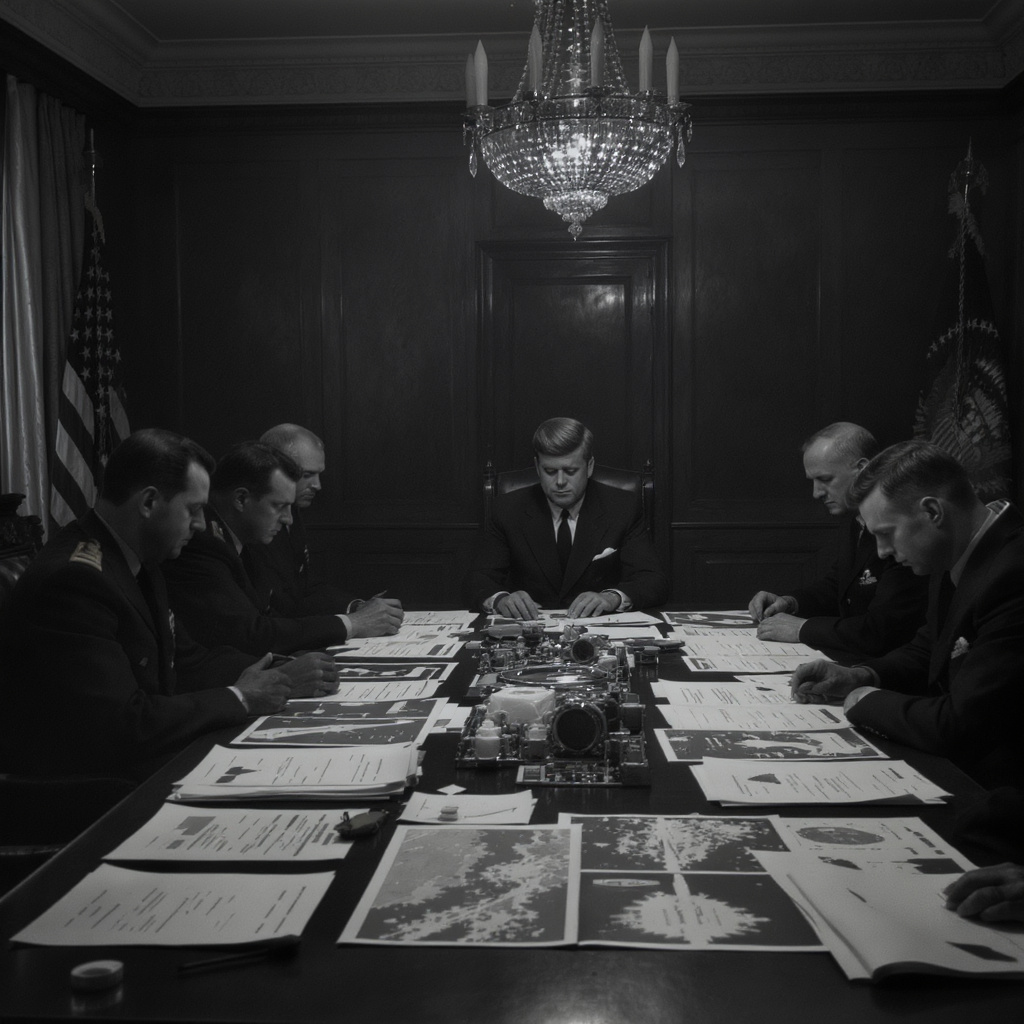
🕊️ When Silence Could Kill – Communication Lessons from the Cuban Missile Crisis
1. The Thirteen Days That Defined Communication In October 1962, intelligence analysts discovered Soviet nuclear missiles being secretly installed in Cuba. The U.S. faced an existential threat. Within hours, the White House formed the Executive Committee of the National Security Council (ExComm) — a group of senior advisors, generals, diplomats, and intelligence officers tasked with…
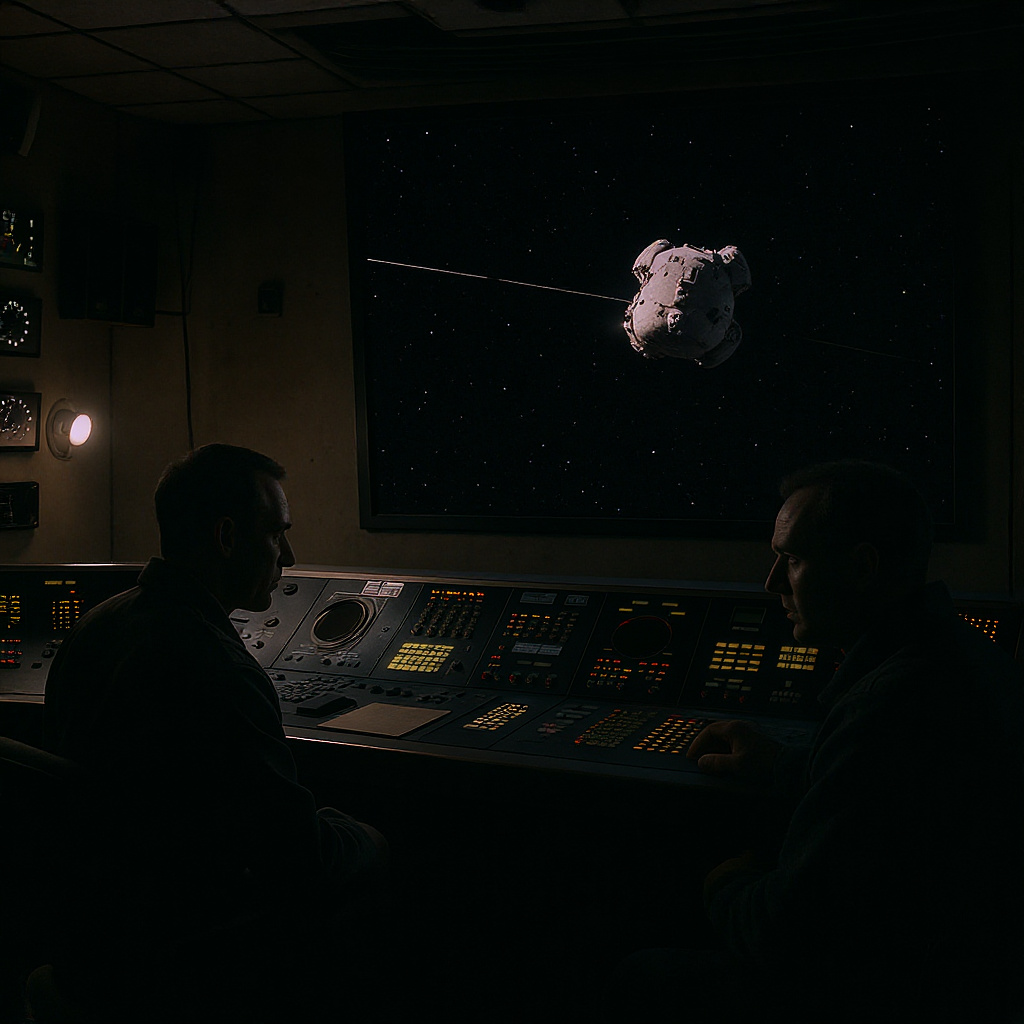
🚀 Apollo 13 – The Anatomy of Risk and Redemption
1. The Mission That Didn’t Go as Planned By April 1970, NASA had already achieved the impossible — humans had walked on the Moon. Apollo 13 was meant to be just another chapter in a now-routine story of success. But as any project manager knows, complacency is the quietest risk of all. Just two days…
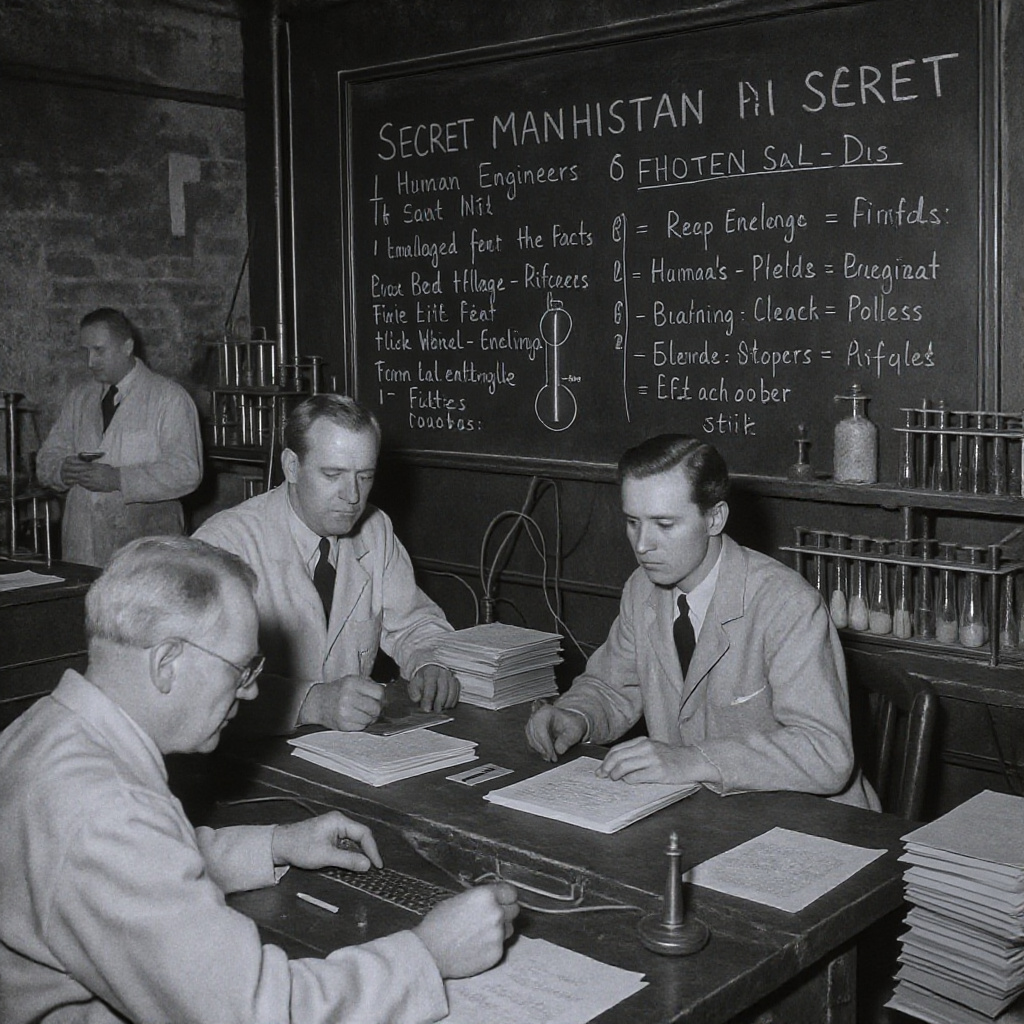
⚛️ The Manhattan Project – The Human Cost of Perfect Coordination
1. The Secret That Changed the World It began not as a project — but as a fear.In 1939, Albert Einstein and physicist Leo Szilard wrote to U.S. President Franklin D. Roosevelt, warning that Nazi Germany could be developing a new weapon based on nuclear fission. The U.S. responded with urgency — and secrecy. By…
🚀 The Challenger Disaster – When Quality Lost to Pressure
1. The Morning That Changed Project Quality Forever January 28, 1986, dawned unusually cold at the Kennedy Space Center. Frost covered the launch pad. NASA’s engineers, watching weather reports, grew uneasy. They knew the O-rings — tiny rubber seals in the solid rocket boosters — had a dangerous weakness: they lost elasticity in low temperatures.…
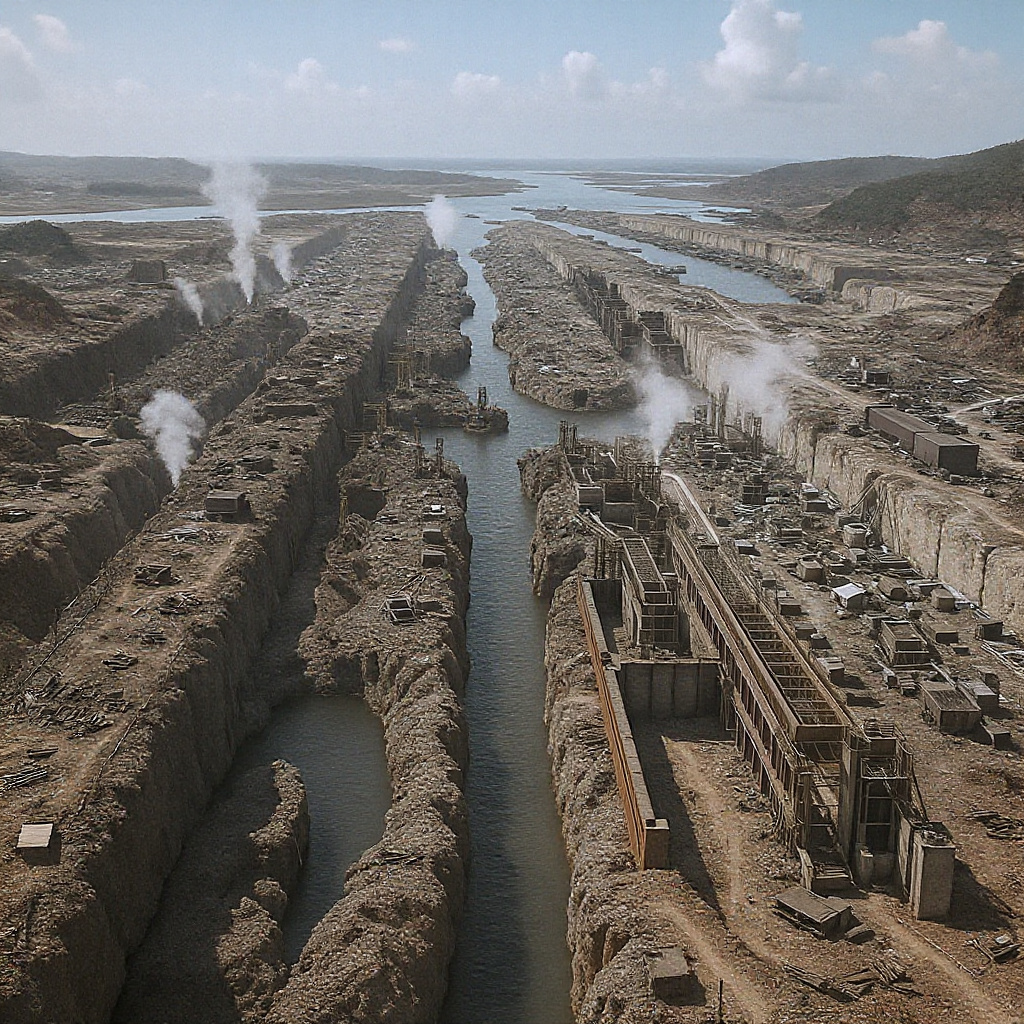
💰 The Panama Canal Disaster – How Overconfidence Bankrupted an Empire
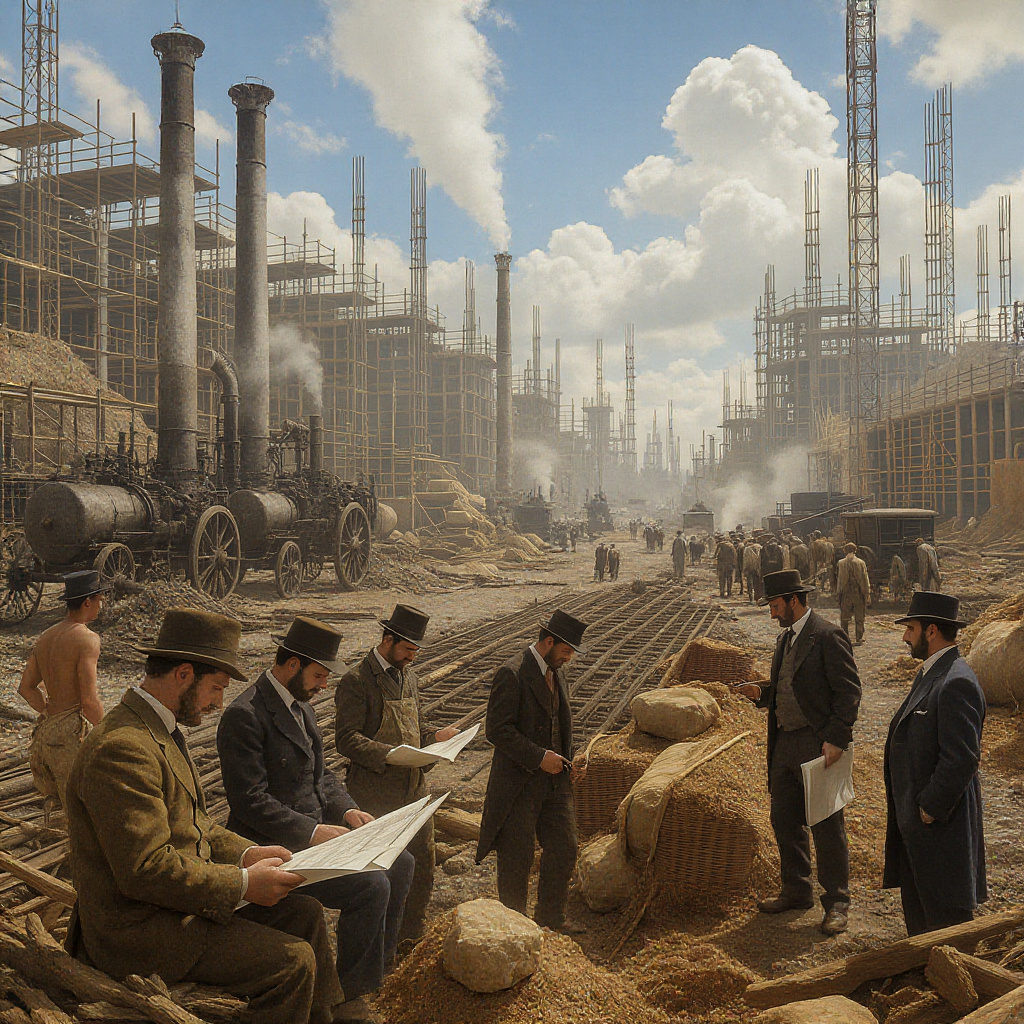
1. The Dream That Drowned in Debt In the late 19th century, the French were basking in the glory of engineering triumphs. Ferdinand de Lesseps, the celebrated builder of the Suez Canal, had become a national hero. His success in Egypt made him believe he could achieve anything — and so, in 1881, he embarked…
📡 Telegraphs to Slack: A Dialogue on Project Communications Across Centuries
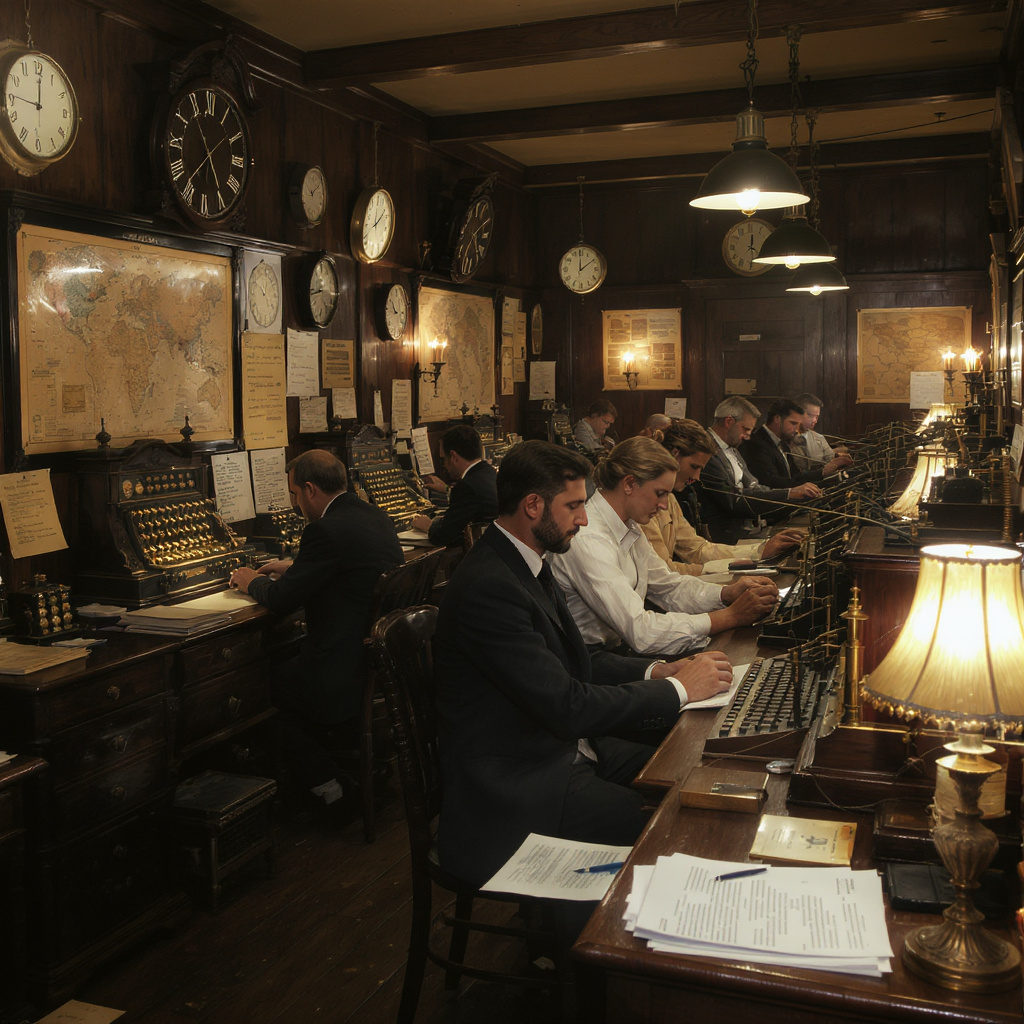
1. Setting the Scene It’s late evening in a quiet study. A 19th-century railway baron, still in his waistcoat, pores over a telegraph message. Suddenly, across the room, a modern project manager appears — laptop in hand, phone buzzing. The two lock eyes. “Who are you?” asks the baron.“Just another project manager,” replies the PM.And…
🚂 Tracks of Tension: Stakeholder Management Lessons from the Railway Age
1. The Railway Era – A Perfect Case Study of Stakeholder Complexity The 19th-century railway boom was more than an engineering revolution — it was a social and political battleground. Railways promised speed, connectivity, and economic growth, but they also disrupted land ownership, labor structures, and traditional commerce. This made them an ideal example of…
⚙️ Agile Before Agile: What the Industrial Age Taught Us About Adaptive Project Management
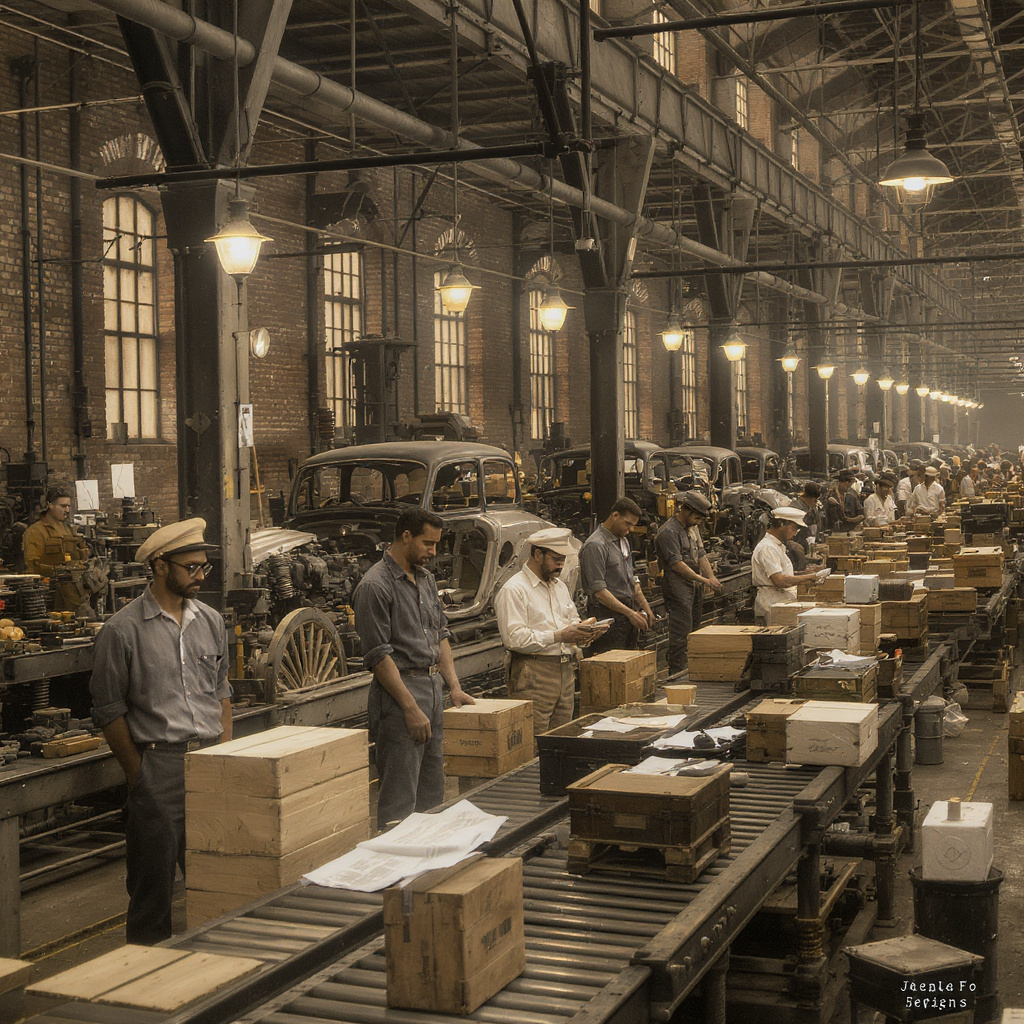
1. Agile’s Industrial Roots – A Hidden Story Agile is often packaged as a 21st-century savior for software teams. But if we peel back history, its principles are centuries old. Industrial giants like Henry Ford and shipbuilders of World War II practiced forms of incremental work, cross-functional collaboration, and adaptive delivery. What they lacked in…
📜 From Textile Mills to Tech Hubs: A Historical Journey into Project Stakeholder Management
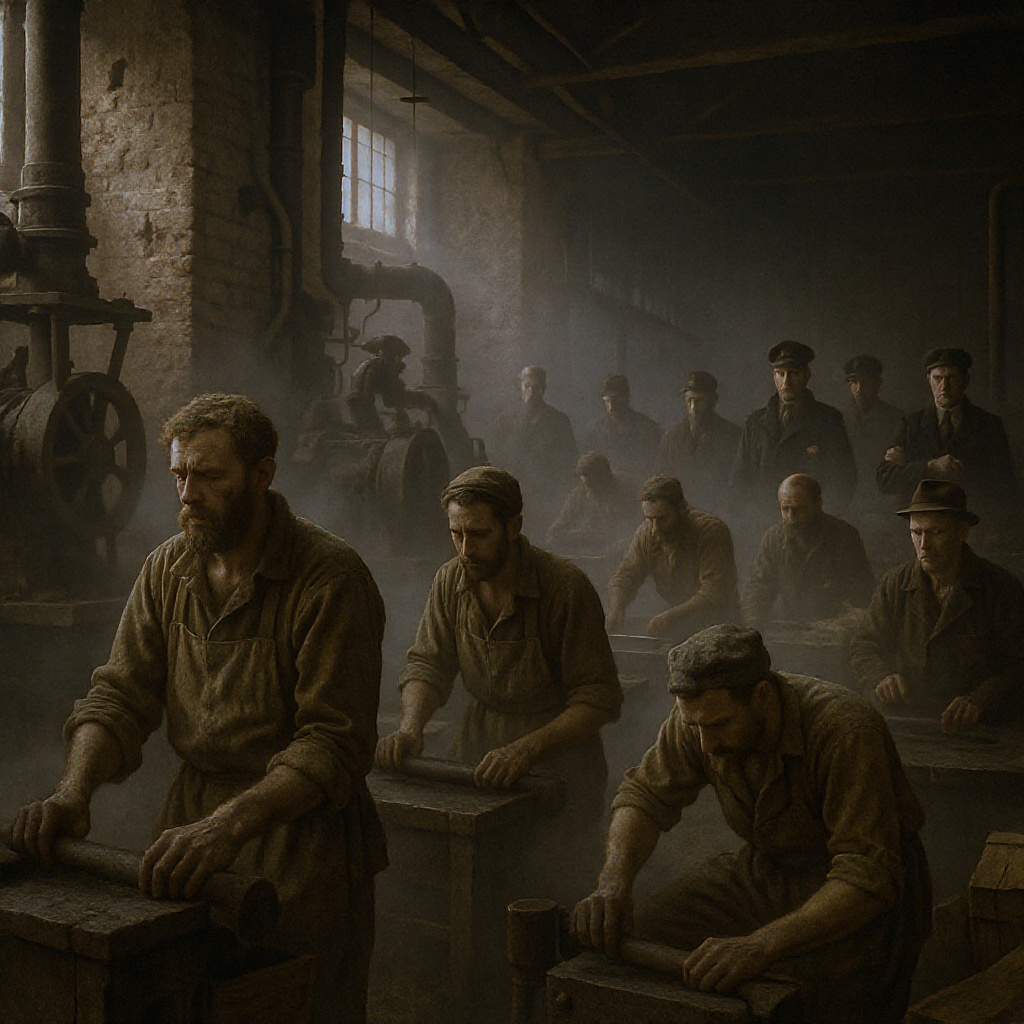
1. Introduction – The Forgotten Players of Progress When we talk about the Industrial Revolution, we imagine steam engines, cotton mills, coal mines, and railroads. But behind the machinery stood the invisible but decisive force of stakeholders. Investors, workers, governments, and communities — all shaped the trajectory of industrial projects. This historical lens gives us…