
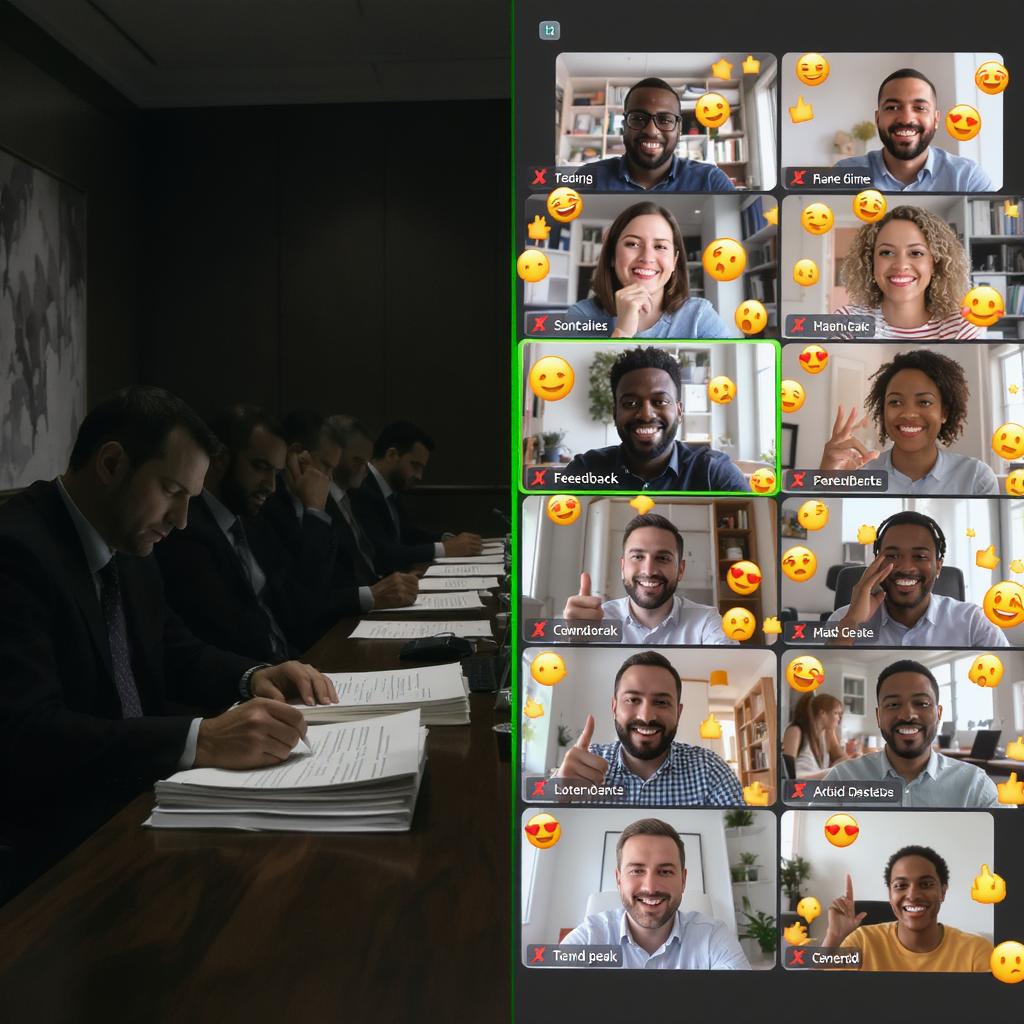
▶️ Introduction – Why People Trump Process
You can have the most robust Gantt chart, perfect scope statement, and top-tier tools—and still fail.
Why? Because the people who fund, influence, use, or resist your project hold the real power.
Stakeholder management is no longer a side-task. It’s the core of project leadership.
1️⃣ Stakeholder Practices of the Past: Distance, Delay, and Deflection
- Stakeholders as Sign-Off Authorities
- In the past, stakeholders were seen as formal approvers—called in at the start and end.
- Their feedback was sought late, often when changes were hard or impossible.
- Static Stakeholder Registers
- A list built during initiation and rarely updated.
- Overlooked changing roles, interests, and power dynamics.
- One-Way Communication
- Status reports, slide decks, and formal reviews defined the engagement.
- There was little room for dynamic input or proactive feedback.
- Escalations Over Engagement
- Issues with stakeholders were seen as obstacles to resolve, not relationships to nurture.
Observations:
- The model assumed that silence meant alignment.
- Missed emotional cues, shifting priorities, and undercurrents of resistance.
2️⃣ The New Era: Engagement, Empathy, and Evolution
- Stakeholders as Collaborators
- They’re part of user story creation, product demos, sprint planning, and retrospectives.
- Their feedback is integrated continuously.
- Live Stakeholder Maps
- Dynamic, visual tools (e.g., power-interest grids, empathy maps) updated regularly.
- Helps PMs understand shifting influence and emotional drivers.
- 360° Communication Loops
- Tools like Miro, Teams, and Jira enable ongoing dialogue—no more waiting for review meetings.
- Video updates, sentiment analysis, and async channels deepen transparency.
- Influence as a Project Competency
- PMs now require skills in behavioral psychology, negotiation, storytelling, and design thinking.
- Stakeholder Experience (SX) Management
- Just like UX for users, SX ensures stakeholders feel heard, valued, and aligned.
Modern Tools & Tactics
- Pulse surveys and sentiment dashboards
- Stakeholder persona templates
- Digital storyboards for stakeholder journeys
- AI-based alert systems for engagement drops
3️⃣ Universal Lessons That Still Hold True
- Not All Stakeholders Are Equal
- Tailor your strategy by influence, interest, and impact. A one-size-fits-all approach will fail.
- Early Involvement Reduces Resistance
- Invite stakeholders during planning, not just at launch or delivery.
- Listen Beyond the Words
- People won’t always express dissatisfaction directly. Read signals—silence, hesitation, body language.
- Build Personal Rapport
- A coffee chat can prevent a future crisis. Take time to know them beyond their role.
- Show the “Why,” Not Just the “What”
- Align every update and ask with the value the stakeholder cares about.
4️⃣ Two Real-World Scenarios: Relationship vs Reporting
⚠️ Project Horizon (2015 – Infrastructure Rollout)
- Stakeholder register built during kickoff; updates only shared monthly.
- A critical city council member felt left out, blocked zoning clearance.
- Result: 6-month delay, PR crisis.
✅ Project Prism (2023 – Fintech Platform)
- Weekly stakeholder feedback loops via Slack and Notion.
- Custom dashboards built for each executive’s KPIs.
- Result: Continuous buy-in, even when scope shifted.
🧠 Insight: Projects thrive when stakeholders see themselves as co-pilots, not passengers.
5️⃣ Self-Assessment: Stakeholder Engagement Maturity
| Statement | Yes | No |
|---|---|---|
| I know who the top 5 influencers on my project really are | ☐ | ☐ |
| Stakeholder maps are updated monthly or at key milestones | ☐ | ☐ |
| I personalize my communication to stakeholder priorities | ☐ | ☐ |
| I track stakeholder sentiment or feedback across the lifecycle | ☐ | ☐ |
| I have informal channels to check stakeholder health beyond meetings | ☐ | ☐ |
More than 2 “No”s? Time to rethink your engagement model.
6️⃣ Practical Tools You Can Use
- Dynamic Stakeholder Grid (Template)
- Auto-color-coded based on influence and alignment score
- Stakeholder Journey Canvas
- Map expectations, frustrations, and emotional highs/lows
- Sentiment Tracker Dashboard
- Google Sheet with emojis, alerts, and red flags
- Relationship Building Tracker
- Spreadsheet to schedule informal chats, coffee connects, and thank-you notes
➡️ Next Steps to Strengthen Stakeholder Bonds
- Treat Communication as a Two-Way Street
- Replace updates with conversations. Ask, listen, act.
- Create Value-Based Personas
- Build quick bios capturing what each stakeholder values most.
- Start with Empathy
- Understand the context they operate in—budgets, pressure, fears.
- Build Informal Touchpoints
- Ping them with an article, ask for feedback on early ideas, or just check-in.
- Celebrate Quick Wins Together
- Let stakeholders share the spotlight when a milestone is hit.
🔚 Conclusion – From Approval to Advocacy
Stakeholders are no longer a “checkbox” in your project plan.
They’re your partners, your champions, and sometimes your biggest challenges.
When you stop managing and start understanding, the shift is profound.
So be the kind of PM who’s remembered not just for delivery—but for connection.
Leave a Reply
You must be logged in to post a comment.