
1. Introduction – The Forgotten Players of Progress
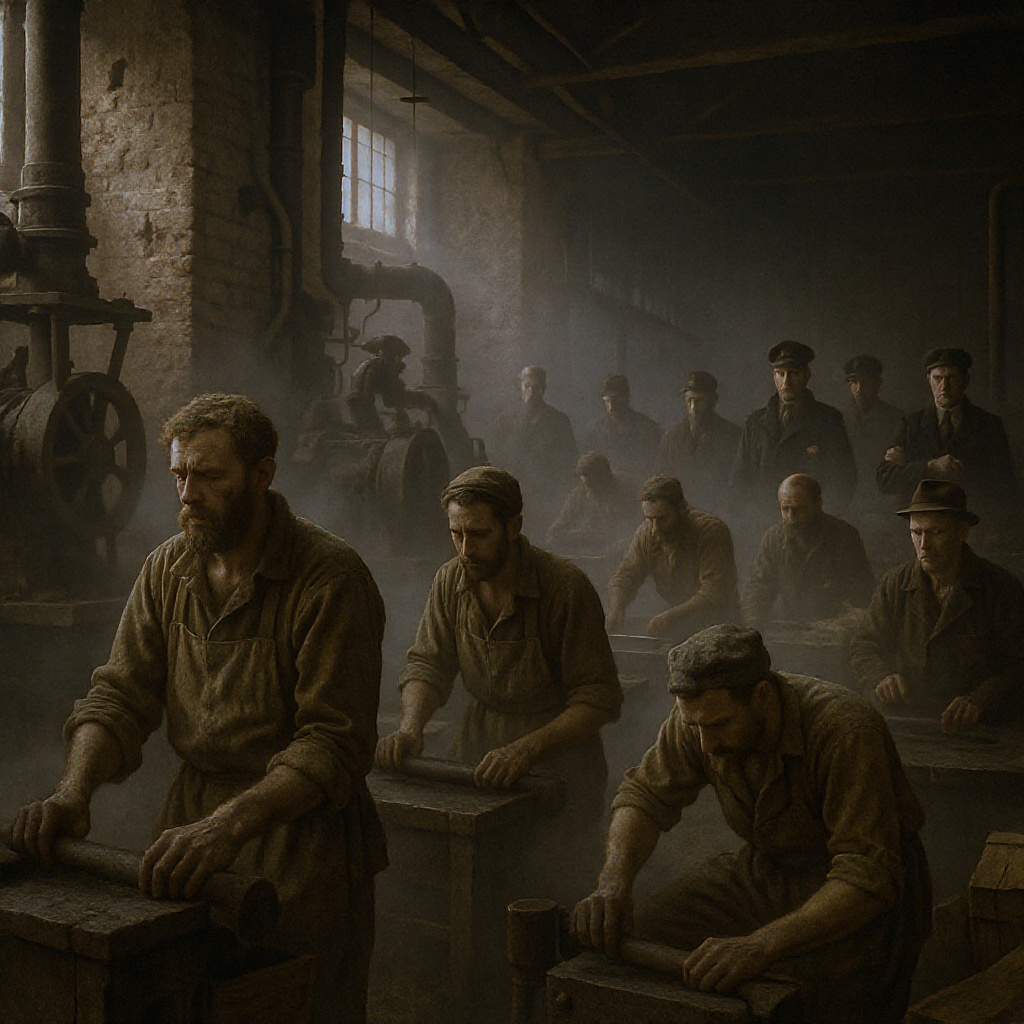
When we talk about the Industrial Revolution, we imagine steam engines, cotton mills, coal mines, and railroads. But behind the machinery stood the invisible but decisive force of stakeholders. Investors, workers, governments, and communities — all shaped the trajectory of industrial projects. This historical lens gives us unique lessons for modern-day project stakeholder management.
2. The Industrial Revolution as a Stakeholder Case Study
- Investors: They risked fortunes to fund factories. Their pressure for returns parallels today’s project sponsors.
- Workers: They demanded better wages and humane conditions. Modern equivalent: project teams seeking fair workload and recognition.
- Governments: Passed labor laws, regulated working hours, and collected taxes. Think compliance, auditors, and regulatory boards today.
- Communities: Often disrupted by smoke, noise, and resource drain. In modern projects, these are customers, end-users, or neighboring businesses.
👉 The pattern is timeless: projects succeed only when all stakeholders are engaged, balanced, and managed.
3. Early Failures – When Stakeholders Were Ignored
Examples from history:
- The Luddite Movement (1811–1816): Workers destroyed machinery because they felt excluded and threatened. Lesson: ignoring frontline stakeholders causes resistance.
- Coal Mine Strikes: Unsafe conditions led to strikes, delaying production. Lesson: neglecting safety reduces trust and continuity.
4. Evolution of Stakeholder Management Over Centuries
- 18th Century: Purely transactional relationships — power tilted towards owners.
- 19th Century: Worker unions emerged — collective stakeholder voices gained power.
- 20th Century: Governments intervened with laws, reshaping balance.
- 21st Century: Social media, ESG frameworks, and global activism amplify every stakeholder voice instantly.
5. Modern Parallels in Corporate Projects
- Tech Startups: Venture capitalists vs. product teams vs. regulators.
- Infrastructure Projects: Local communities resisting displacement echo 19th-century protests.
- Global Supply Chains: Stakeholders now span continents, making alignment complex.
6. Frameworks, But with a Historical Twist
Even popular PM tools like Stakeholder Mapping, Influence-Interest Grids, and Engagement Plans can be linked back to history. Mill owners instinctively mapped “who mattered most” — investors, governments, or workers — though without today’s frameworks.
7. Practical Lessons for Today’s PMs from History
- Never ignore the weakest voice. Workers once ignored became unions. Small customer complaints today can go viral online.
- Balance short vs. long term. Mill owners who invested in safety outlasted competitors. Similarly, PMs should balance fast delivery with sustainable results.
- Adapt to power shifts. Governments gained influence in the 19th century, just as regulators and social media do today.
- Communication is everything. Then it was town meetings; today it’s dashboards, newsletters, and social media.
8. Storytelling Section – A Dialogue Across Time
Mill Owner (1785): “My investors demand faster output. I cannot slow production.”
Worker: “But if you ignore our conditions, we may not last the month.”
Modern PM (2025): “Sounds familiar — stakeholders pulling in different directions, and me in the middle.”
9. Flashcards for Quick Recall
- Investor = Sponsor
- Worker = Project Team
- Community = End User
- Government = Regulator
10. Self-Help Guide for PMs
If you’re struggling with stakeholder conflicts, ask:
- Who has the loudest voice?
- Who has silent but growing influence?
- What’s the cost of ignoring each group?
- Which alliances will keep my project resilient?
11. Quoting History
📖 “The factory system, if left unchecked, will create more unrest than prosperity.” – Anonymous 19th-century pamphlet.
This applies to projects too: unchecked stakeholder neglect creates unrest.
12. Conclusion – Why History Still Matters
The story of stakeholder management is not new. It is as old as the first factories. Projects today may be about AI, space travel, or digital transformation — but the essence remains: listen, balance, and respect stakeholders.
Stakeholders are not obstacles; they are the fuel that keeps the project engine running.
Leave a Reply
You must be logged in to post a comment.