
▶️ Introduction – The Shift from Deals to Dynamics
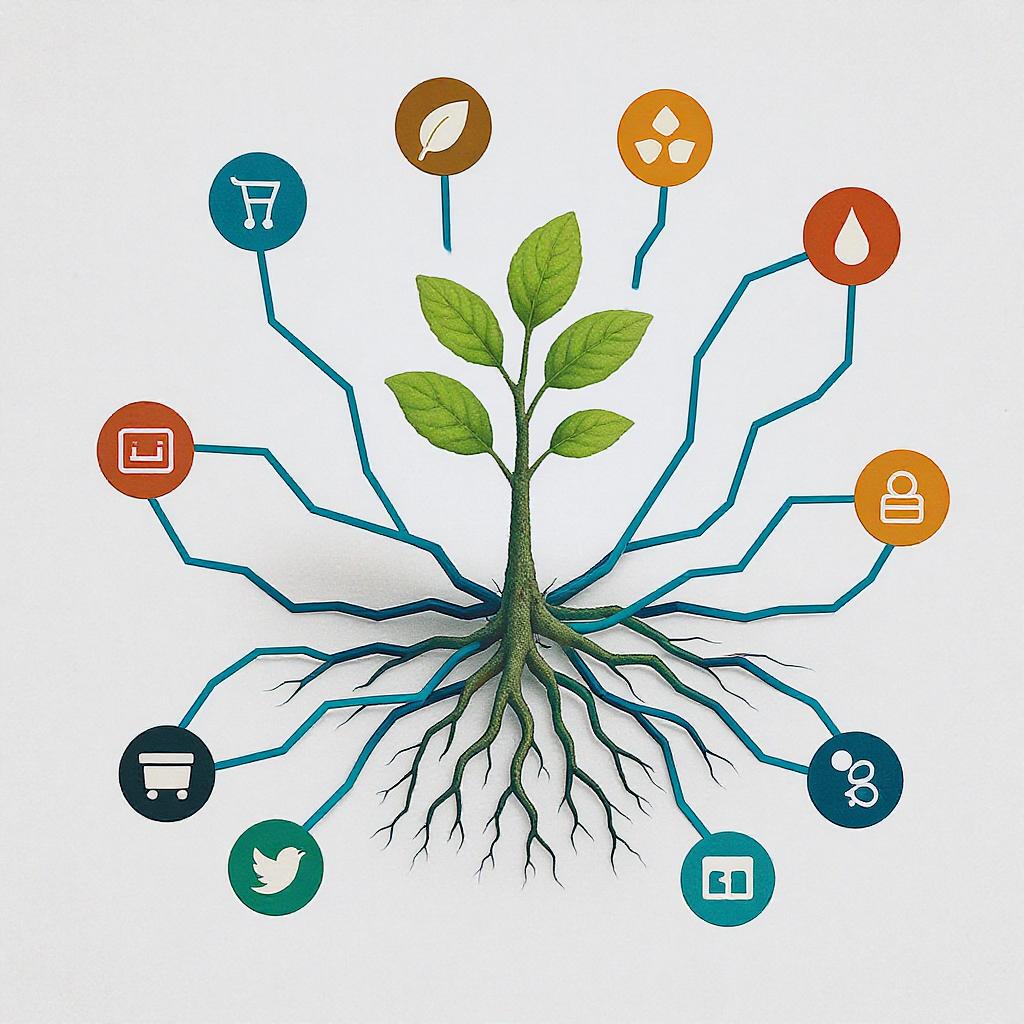
Traditional procurement treats vendors as line items—transactional exchanges defined by RFPs, POs, and invoices. Yet today’s complex projects require deeper collaboration: shared insights, joint problem-solving, and continuous improvement. In this article, we explore how treating procurement as a living ecosystem—where vendors, tools, processes, and teams co-evolve—delivers far greater impact than any single purchase.
1️⃣ The Ecosystem Mindset vs. Transactional Procurement
| Aspect | Transactional | Ecosystem |
|---|---|---|
| Relationship Style | One‑time, price‑focused | Long‑term, value‑focused |
| Innovation | Internal only | Open co‑innovation with partners |
| Risk Sharing | Vendor shoulders compliance risk | Shared risk‐reward frameworks |
| Data Visibility | Periodic reports | Real‑time integrated dashboards |
| Value Measurement | Cost savings only | Outcome metrics (quality, speed, NPS) |
2️⃣ Building Your Procurement Ecosystem
A. Seeding the Network: Pilot Partnerships
- Pilot Contracts: Award smaller, low‑risk pilot engagements to new vendors.
- Evaluation Metrics: Beyond price, assess responsiveness, creativity, and alignment.
- Learning Loop: Use pilot outcomes to refine selection criteria and processes.
B. Cultivating Co‑Innovation
- Innovation Days: Host quarterly workshops where vendors present ideas, live‑demo prototypes, and co‑design solutions.
- Joint Roadmaps: Create shared development plans with timelines, investment commitments, and IP‑sharing agreements.
- Collaborative Sprints: Embed vendor engineers in your agile sprints for rapid feedback and integration.
C. Nurturing Transparent Data Flows
- Integrated Portals: Connect ERP, CRM, and vendor systems viaS APIs for real‑time inventory, lead time, and quality signals.
- Shared Dashboards: Build joint Power BI/Tableau views highlighting key metrics (on‑time delivery, defect rates, cost variances).
- Early‑Warning Triggers: Automate alerts when lead times slip or quality dips, prompting immediate collaboration.
D. Harvesting Shared Wins
- Value‑Share KPIs: Tie vendor bonuses not only to delivery but to continuous improvement (e.g., cost reduction reinvestment, defect reduction).
- Joint Reviews: Quarterly “Harvest Sessions” to celebrate co‑innovations, assess ecosystem health, and plan next steps.
- Reinvestment Pools: Allocate a percentage of vendor‑achieved savings into an innovation fund managed jointly.
3️⃣ Case Studies: Ecosystem in Action
Project Symbiosis – IoT Sensor Network
- Pilot: Small batch of next-gen sensors with a new vendor.
- Co‑Innovation: Embedded their engineers in our lab for 6‑week sprints.
- Results: 40% improvement in sensor uptime; new firmware designs co‑owned by both teams.
Project Fusion – SaaS Platform Expansion
- Data Integration: Linked our CRM with vendor’s SLA portal.
- Shared Dashboard: Real‑time view of ticket resolution times and performance metrics.
- Outcome: Stakeholder NPS rose from 65 to 82; renewals accelerated 3 months ahead.
4️⃣ Ecosystem Health Metrics
| Metric | Target |
|---|---|
| Vendor Innovation Submissions/Quarter | ≥ 3 actionable proposals |
| Joint KPI Achievement Rate | ≥ 90% |
| Time to Resolve Quality Alerts | ≤ 24 hours |
| Percentage of Savings Reinvested | ≥ 30% |
| Vendor Net Promoter Score (vNPS) | ≥ +40 |
5️⃣ Overcoming Common Barriers
- Internal Siloes: Break down walls between procurement, engineering, and product teams by co‑hosting ecosystem workshops.
- Vendor Skepticism: Build trust by starting small, delivering quick wins, and openly sharing feedback.
- Data Hesitation: Address security and IP concerns by defining clear data‑sharing protocols and non‑disclosure agreements upfront.
6️⃣ Your Ecosystem Playbook: Templates & Tools
- Pilot Contract Blueprint: Scope, success criteria, budget, and learning objectives template.
- Innovation Day Agenda: Structured agenda with brainstorming, prototyping, and roadmap alignment.
- Integrated Dashboard Schema: Data fields, API mapping, and visualization guidelines.
- Value‑Share KPI Model: Contract clause templates for shared savings and bonus allocations.
- Ecosystem Health Tracker: A living Miro board to map relationships, innovation streams, and performance metrics.
🔚 Conclusion –SS Cultivating a Thriving Procurement Ecosystem
Procurement isn’t a one‑off transaction—it’s an ongoing network that, when nurtured like an ecosystem, yields compounding returns in innovation, quality, and speed. By seeding pilot partnerships, co‑innovating, sharing real‑time data, and celebrating joint wins, you transform vendors from suppliers into true growth allies.
🚀 Action Step: Identify one vendor relationship you can pilot as an ecosystem. Draft a “Pilot Contract Blueprint” and schedule your first Innovation Day this quarter.
Leave a Reply
You must be logged in to post a comment.